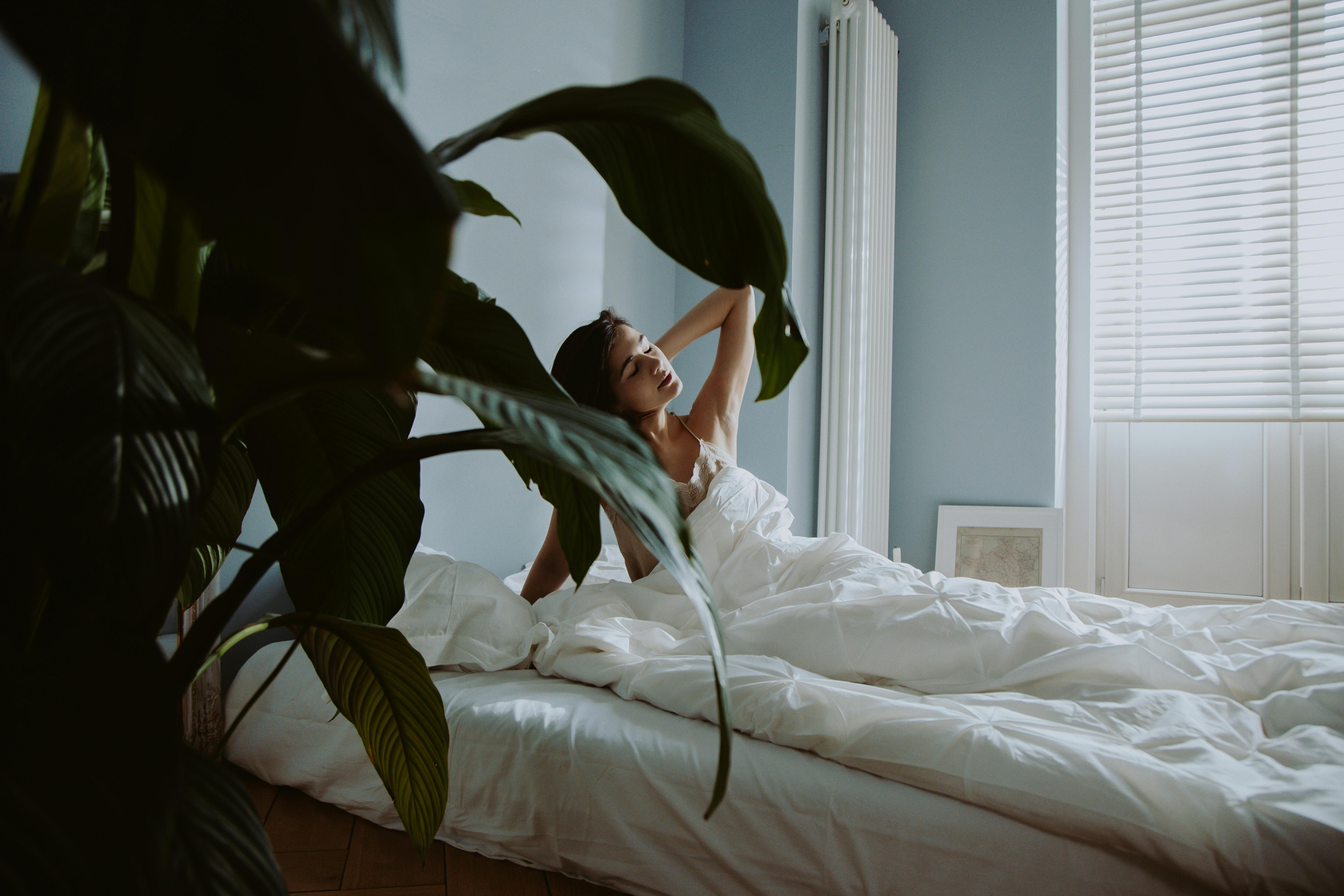
I used to think rest meant doing absolutely nothing. Canceling plans, staying in bed, scrolling for hours without really thinking about it. And to be fair, I never had a problem with that kind of day. But every time I did it, I’d end up feeling worse. Not rested, just a bit off. Like the whole day passed with nothing to show for it except a sore neck and too much screen time.
I’ve had days where everything felt like too much. Shooting all morning, running between events, trying to keep up with my own life in between. And then the crash that comes after, where I don’t leave my room, don’t do anything at all, because I’m completely drained.
And for a while, I thought that was balance. Push until you can’t, then disappear for a bit. But somewhere along the way, I realized that kind of rest doesn’t actually restore you. It just pauses everything.
[Feature Image Credit: Pexels Photo By Cottonbro]
The illusion of rest
Not all rest is actually restorative. Doing absolutely nothing all day doesn’t always give you the reset you think it will. It’s easy to believe that staying in bed and scrolling counts as resting, because it feels low effort and oddly comforting in the moment.
That’s the tricky part. It does feel good at first. Your brain gets quick hits of distraction, little bursts of dopamine, something to keep you occupied without asking anything from you. After a long or overwhelming day, that kind of escape feels deserved.

But the longer you stay in it, the less it actually restores you. Your mind is still switched on. You’re not really relaxing, just constantly consuming. And after a few hours, there’s a shift. You start to feel heavy, a bit disconnected, sometimes even low for no clear reason.
If anything, these are the “signs you’re not actually resting.” When your rest leaves you feeling the same, or worse, it’s probably not rest at all. And although it looks like rest from the outside, internally you’re still tired, just in a different way.
Why we default to bed rotting
I get it. I love a good bed rot. There’s something about it that just hits when you’re tired. No decisions, no expectations, no effort. You don’t have to show up for anything or anyone, and for a moment, that feels exactly like what you need. And when your energy is low, it’s the easiest option. You’re not in the mood to go out, move your body, or even think. So you default to the one thing that asks nothing from you.
But if I’m being honest, I also know how it ends. That slightly icky feeling after. A bit unproductive, a bit disconnected, like you’ve been avoiding something without fully realizing it. That’s because sometimes it’s not really rest. It’s just emotional avoidance dressed up as rest. It’s basically a way to pause everything without actually dealing with how drained you feel. And I’m not saying to bed rot as sometimes you genuinely need that kind of day. But when it becomes your default, it stops feeling like a reset and starts feeling like you’re stuck.
The intentional rest
This is the part I didn’t really understand before. I thought rest only existed in extremes. Either I was fully on doing everything I can or I was completely off, in bed, not leaving my room, not doing anything at all. But there’s actually a kind of rest that sits somewhere in the middle. It’s quieter, less obvious, and doesn’t look like a “rest day” in the way we think it should.
For me, it started to look like slow mornings instead of rushed ones. Waking up around 10, taking my time, not immediately reaching for my phone. Going to the gym in the afternoon just to move a little and actually eating proper meals instead of random bites.

Even things like editing a video, driving around running errands, or just being alone without needing to fill the silence started to feel more like rest than lying in bed all day ever did.
And the difference is this. Passive rest numbs you. It shuts everything down, including the parts of you that actually need care. Intentional rest, on the other hand, supports you. It gives you just enough space to breathe without completely disconnecting from your life. It’s a small shift from “I don’t want to do anything” to “what would feel a little better right now.”
And honestly, that’s where “how to rest properly” starts to make sense. Not in some perfect routine, but in small choices. Choosing one thing that feels slightly better instead of doing nothing at all. Moving your body a little, even if it’s just a short walk. Sitting down for a real meal or putting your phone away for a bit.
The micro-rest
There’s this shift happening called micro-rest, where it’s less about disappearing for a full day and more about taking small resets throughout it. And it makes sense. Most days aren’t empty enough to fully switch off anyway. There’s always something going on, even if it’s just editing, running errands, or meeting someone for a catch-up. So waiting for the perfect “rest day” doesn’t always happen.
Now it becomes about the in-between. Stepping away for a bit instead of pushing through until you crash. Taking a 10-minute walk just to move and reset. Sitting down for an actual meal instead of eating between things. Even choosing to be alone for a while without your phone. Big emphasis on the phone. That one makes more of a difference than you think.
These are the kind of “micro rest ideas” that actually fit into real life. You’re not shutting your life off, you’re just softening it. An hour instead of a whole day. A pause instead of a shutdown. Basically healthy ways to rest without burnout.
Pimmi’s Perspective
It’s not about being productive all the time. That’s never really been the goal. But it’s also not about resting in a way that leaves you feeling worse after. Real rest needs a balance. Somewhere in between burnout and bed rotting. That’s the sweet spot.
It’s a version of rest that actually works. The kind that doesn’t drain you more, but also doesn’t completely pull you out of your own life. And even though I still have bed rotting days, I’m figuring it out. And that’s okay. I just know the days I don’t completely disappear are the ones that stay with me.
Leave a Reply